



Tiny Island Keeps Iran’s Oil Flowing Despite War Risks In Gulf
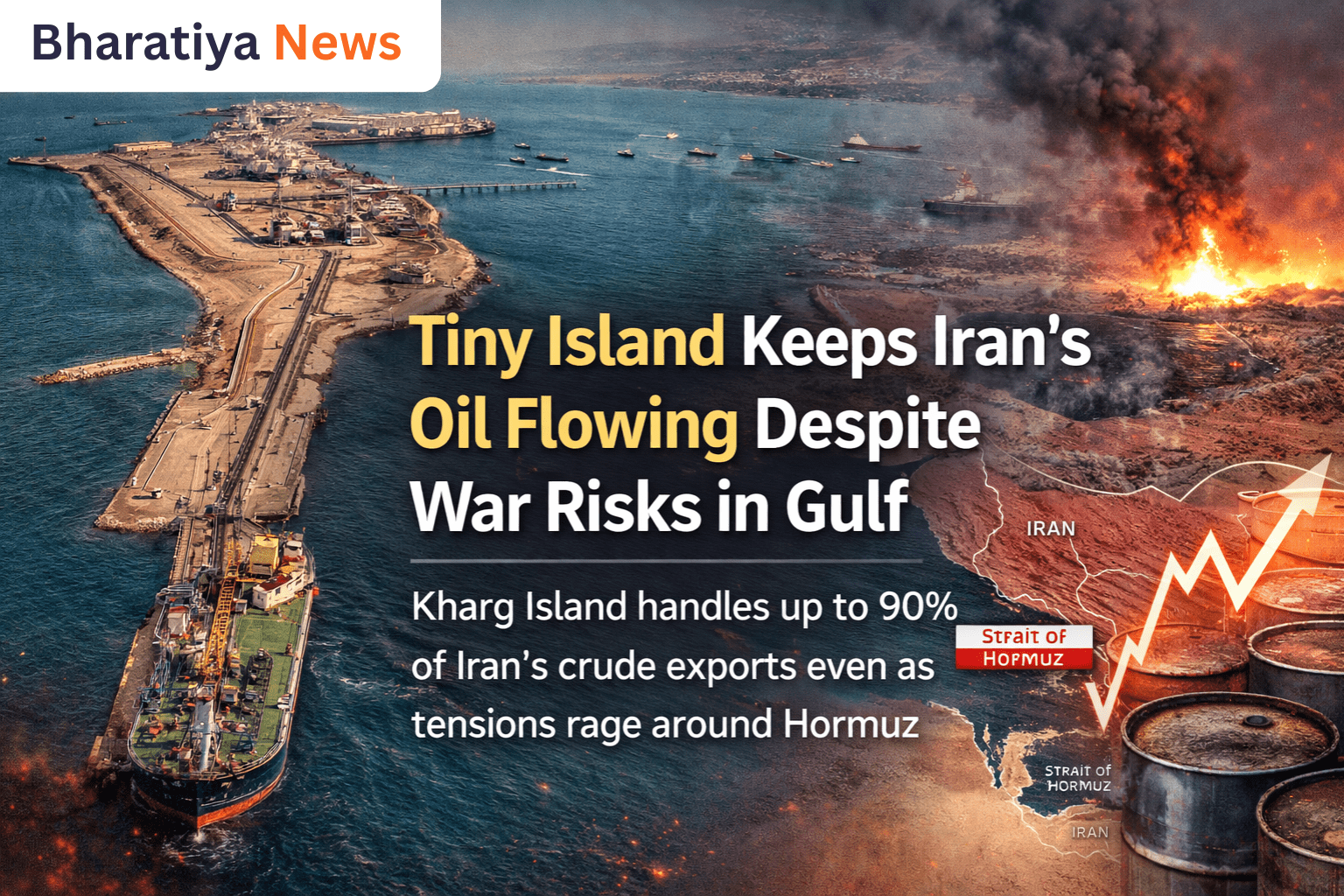
New Delhi: Even as tensions escalate in the Gulf region and global oil markets remain on edge, a small island off Iran’s coast has emerged as the key hub keeping the country’s oil exports alive. The island, Kharg Island, continues to facilitate the movement of Iranian crude to international markets despite growing military activity around the Strait of Hormuz.
According to shipping and satellite data, tankers carrying Iranian oil are still leaving the island and navigating one of the world’s most critical energy corridors. Analysts say this flow is helping Iran maintain a significant portion of its oil exports even amid heightened geopolitical tensions involving the United States, Israel, and Iran.
Strategic Oil Hub
Located about 30 kilometres from Iran’s Gulf coast, Kharg Island handles the majority of Iran’s crude exports. Experts estimate that 80–90% of the country’s oil shipments are loaded from this facility.
Pipelines from Iran’s largest oil fields — including Ahvaz, Marun, and Gachsaran — transport crude directly to massive storage tanks on the island before it is loaded onto tankers.
The island has the capacity to store nearly 30 million barrels of crude oil, making it one of the most critical energy assets in the Middle East.
Oil Still Reaching Global Markets
Data from tanker monitoring firm TankerTrackers suggests that more than 12 million barrels of Iranian-linked oil have moved through the Strait of Hormuz since late February. However, the real number may be significantly higher because many tankers operate within a so-called “dark fleet,” switching off tracking systems to avoid detection.
One such tanker recently reappeared on tracking systems after going dark in the Gulf and is reportedly sailing toward India, highlighting how Asian markets may still be receiving Iranian crude.
Impact On Global Oil Prices
The ongoing tensions have already rattled global energy markets. Brent crude prices have surged close to $119 per barrel, driven by fears that disruptions in the Strait of Hormuz could restrict global supply.
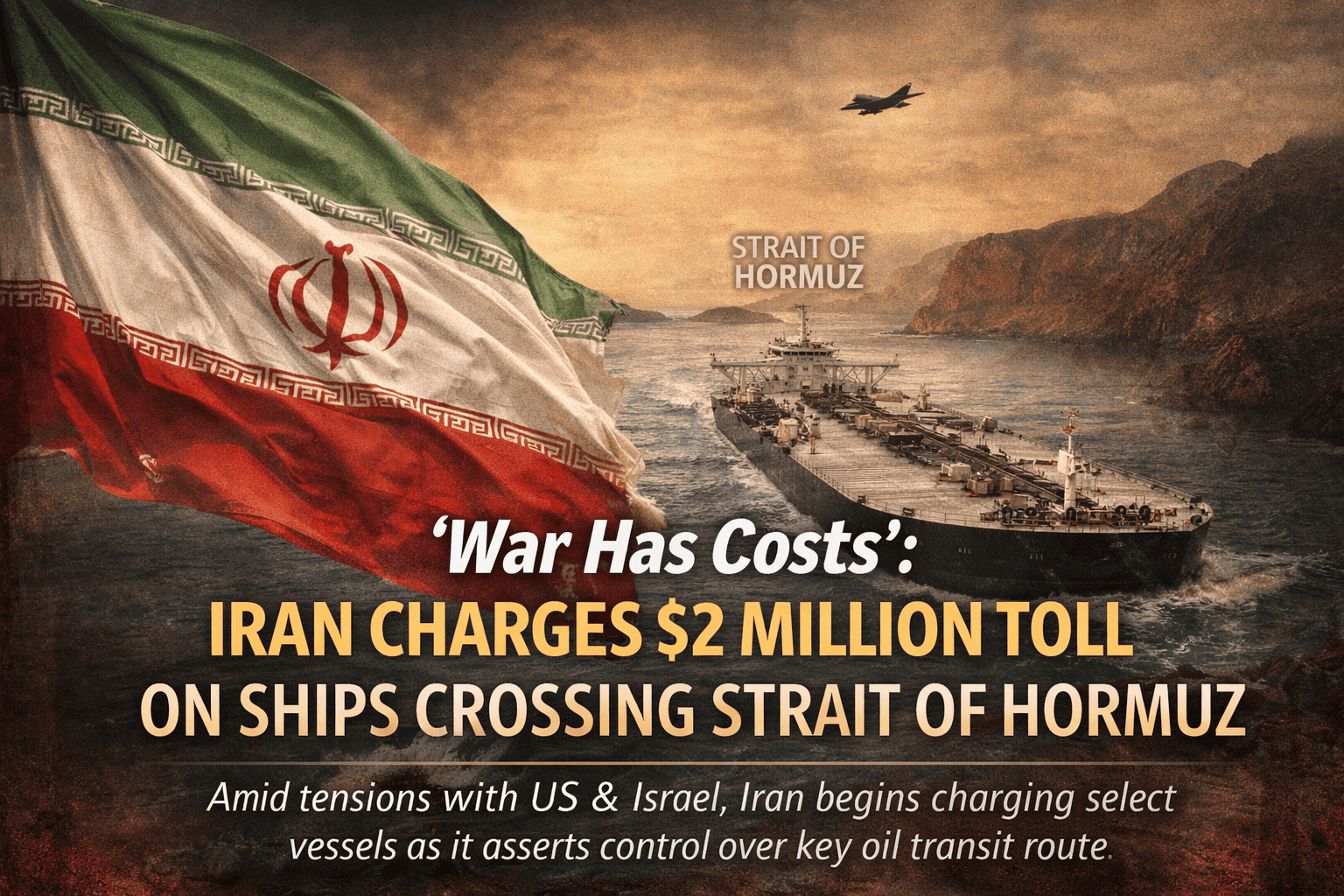
The strait is considered the world’s most critical oil chokepoint, carrying roughly 20% of global oil shipments every day.
Geopolitical Stakes Rising
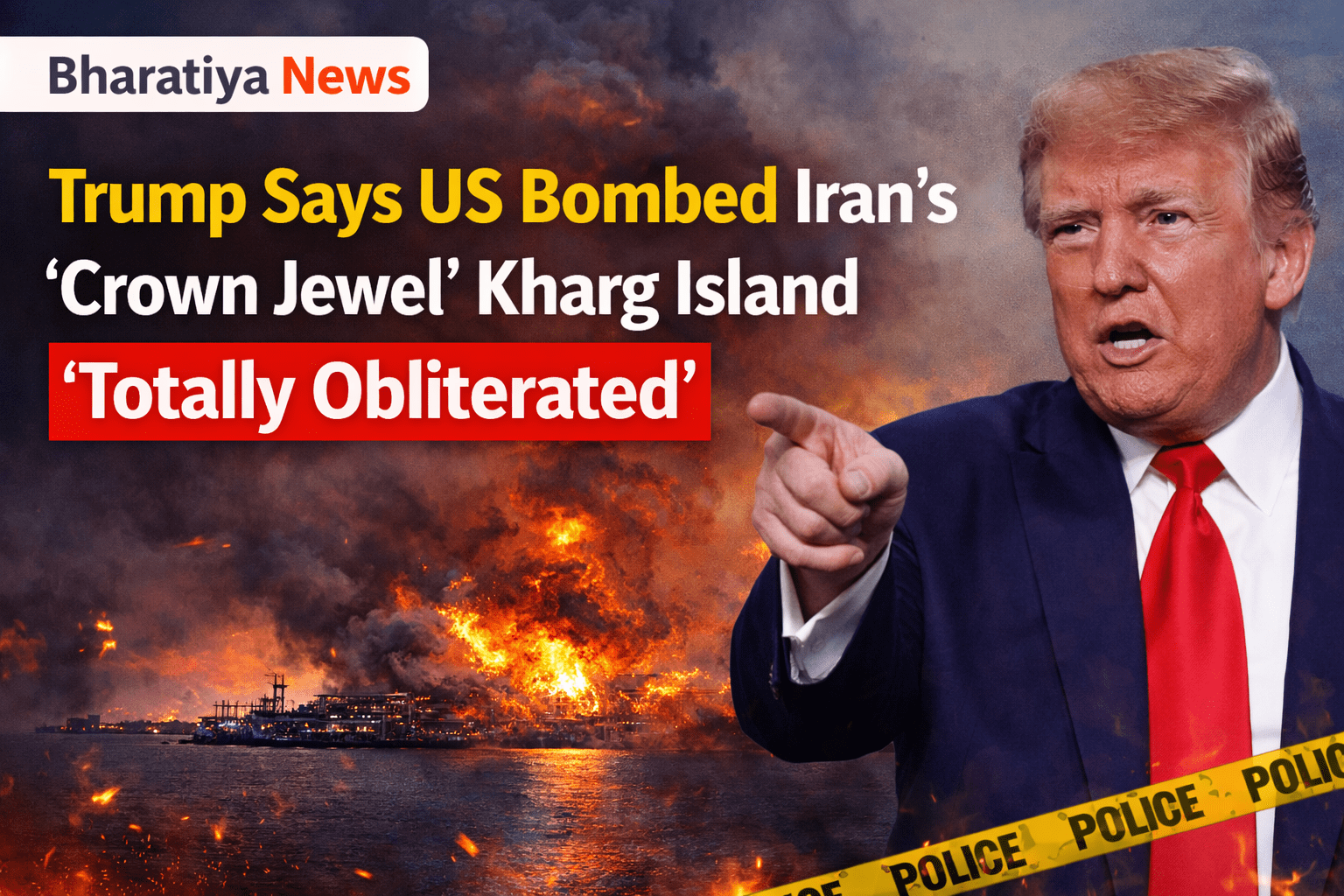
Because of its importance, Kharg Island has now become a major focus in geopolitical discussions. Reports suggest officials in United States have debated the possibility of capturing or disabling the island’s export terminal.
Analysts at JPMorgan warn that such a move could instantly halt the majority of Iran’s oil exports and cut its production nearly in half. However, they caution that this could provoke strong retaliation from Tehran, potentially threatening shipping routes in the Strait of Hormuz or regional energy infrastructure.
Iran’s Oil Production
Iran currently produces around 3.3 million barrels of crude oil per day, along with 1.3 million barrels of condensate and other liquids, accounting for about 4.5% of global oil supply.
In the weeks before tensions intensified, Iran appeared to anticipate disruptions. Exports from Kharg surged to over 3 million barrels per day between February 15 and February 20, nearly triple the country’s usual export rate.
Analysts believe this surge was likely an attempt by Tehran to move as much oil as possible before the conflict escalated.
Global Markets Watching Closely
With geopolitical tensions still high and oil markets already under pressure, the continued operation of Kharg Island has become a crucial factor for global energy stability. Any disruption to this tiny island could send shockwaves through international oil markets and significantly impact energy prices worldwide.