





Bloodbath at The Washington Post: Over 300 Journalists Laid Off, Ishaan Tharoor Among Those Axed
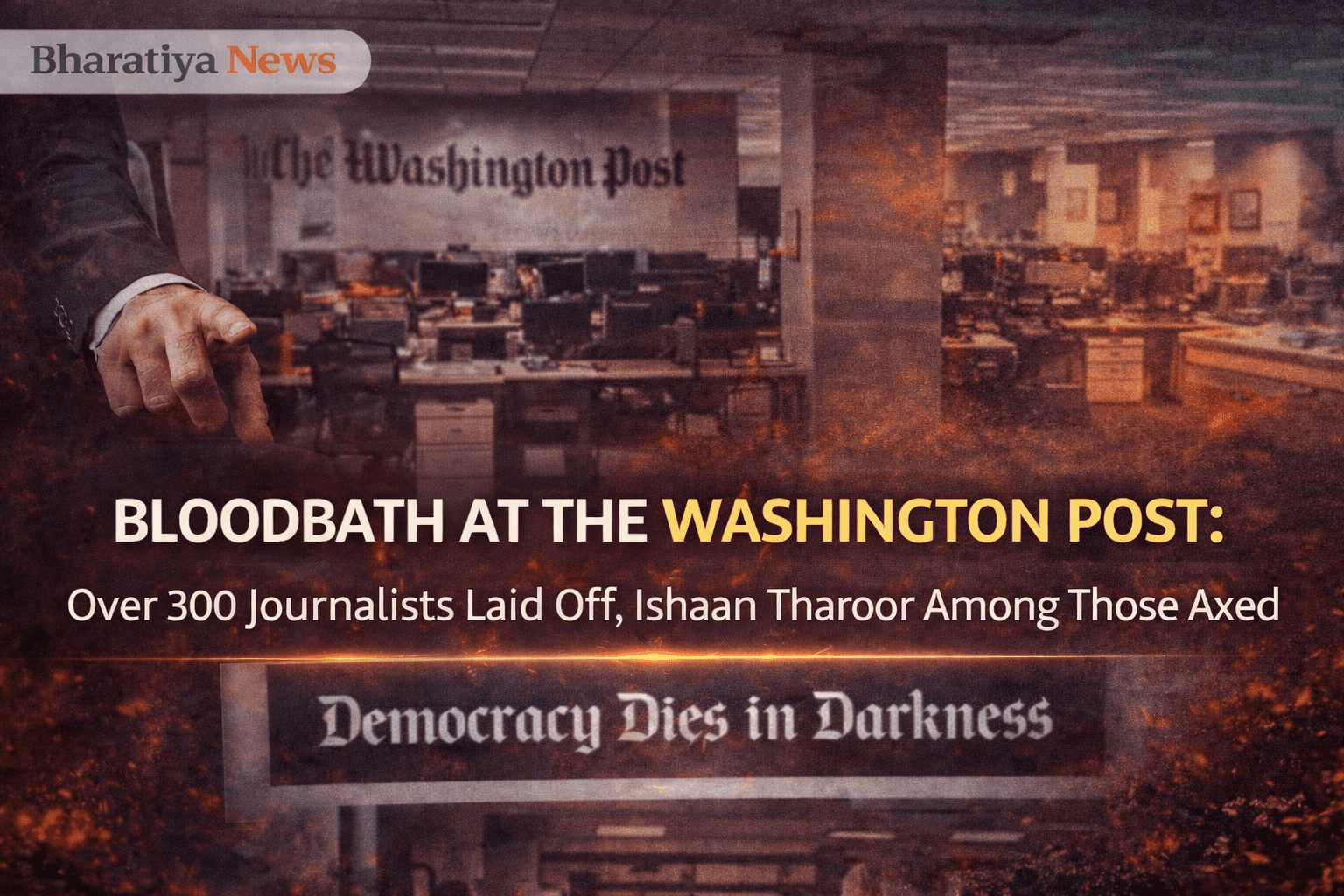
In one of the largest newsroom layoffs in recent US media history, The Washington Post has laid off more than 300 journalists and staff, amounting to over a third of its editorial workforce. The sweeping cuts have sent shockwaves through global journalism, with foreign correspondents, bureau chiefs, and senior editors among those shown the door.
Sources indicate that the layoffs have disproportionately affected the Post’s international bureaus, local reporting desks, sports coverage, and significant sections of its business operations. Several overseas bureaus have reportedly been shut down entirely, sharply reducing the newspaper’s global footprint.
Among the prominent names impacted is Ishaan Tharoor, senior international affairs columnist and author of the widely read WorldView column. Tharoor, son of Congress MP Shashi Tharoor, confirmed his layoff on social media, calling it a “bad day” and saying he was “heartbroken” by the decision. His post featured an image of the newsroom slogan, “Democracy Dies in Darkness”, a line that has now taken on grim irony for many journalists.
The emotional fallout was felt across continents. Correspondents reporting from conflict zones and global capitals shared messages of devastation and disbelief. Ukraine correspondent Lizzie Johnson revealed she was laid off while reporting from a war zone, writing that she was “devastated” and “at a loss for words.”
In Berlin, Bureau Chief Aaron Wiener said the entire bureau had been eliminated, while Middle East correspondents based in Cairo confirmed their teams had been cut in full. The Post’s New Delhi Bureau Chief Pranshu Verma described the layoffs as heartbreaking, calling it a privilege to have worked at the paper.
Former Executive Editor Marty Baron issued a scathing statement, calling the layoffs “among the darkest days in the history of one of the world’s greatest news organizations.” He warned that the public would now be deprived of essential, fact-based reporting at a time when it is needed most. Baron also criticised top management decisions, suggesting that editorial and leadership missteps had eroded trust and damaged the brand.
While The Washington Post has not officially detailed the rationale behind the scale of the cuts, the move reflects the broader crisis facing traditional media amid declining subscriptions, digital disruption, and shifting reader habits.
For many journalists and media observers, the mass layoffs mark a turning point for global journalism, raising urgent questions about the future of foreign correspondence, accountability reporting, and the role of legacy newsrooms in a rapidly changing media landscape.
(Except for the headline, this story has not been edited by Bharatiya News staff and is published from a syndicated feed.)