


From Nuclear Talks To “Operation Epic Fury”: How Events Escalated To Trump’s Iran Strike

A dramatic chain of events — beginning with stalled nuclear negotiations and culminating in a sweeping military operation — has reshaped the geopolitical landscape after US President Donald Trump authorised a major strike targeting Iran’s top leadership.
According to US officials, the decision followed growing frustration within the administration over indirect nuclear talks with Tehran.
Frustration Over Nuclear Negotiations
On Friday afternoon, President Trump publicly expressed dissatisfaction with the pace and direction of negotiations with Iran over its nuclear programme. Speaking to reporters before departing the White House, he said he was “not happy with the way they’re going,” but declined to confirm whether he had made a final decision regarding potential military action.
Just hours later, while travelling aboard Air Force One to Texas, Trump authorised what was later revealed to be a large-scale military operation codenamed “Epic Fury.”
The Order And Military Preparations
According to General Dan Caine, Chairman of the Joint Chiefs of Staff, Trump gave a direct go-ahead for the operation mid-flight. The approval triggered final operational preparations across multiple military domains.
US forces reportedly mobilised carrier strike groups, fighter jets, refuelling tankers and advanced air defence systems. Thousands of service members across land, sea, air and cyber units were placed on high alert as coordinated strike plans were finalised.
Lawmakers travelling with the President during the flight discussed the risks of continuing negotiations versus proceeding with military action. Officials familiar with the conversation suggested there was growing belief within parts of the administration that Iran was using talks as a delay tactic.
The Strike Timeline
According to the Pentagon’s briefing, the military operation formally began in the early hours of Saturday. US forces conducted synchronized strikes targeting multiple strategic sites.
Explosions were reported in Tehran, and Israeli officials later declared a state of emergency. Within minutes, several senior Iranian leaders were reported killed, including Supreme Leader Ayatollah Ali Khamenei and top military commanders.
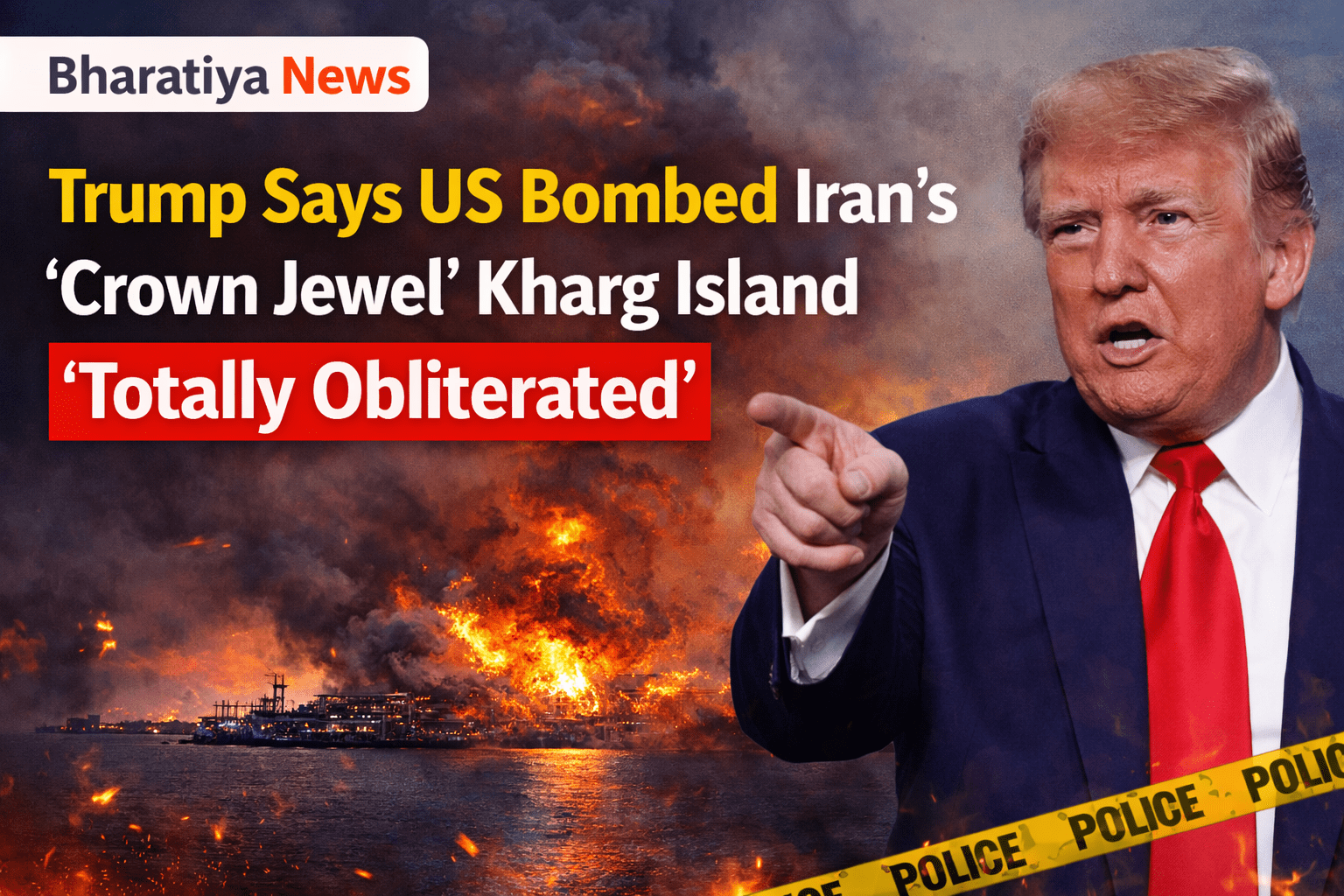
President Trump subsequently announced the outcome on social media, claiming that advanced US intelligence and tracking systems had located and eliminated key leadership figures.
Strategic Scope Of The Operation
Pentagon officials described the strike as a multi-domain operation involving:
- Two US carrier strike groups
- Advanced fourth- and fifth-generation fighter aircraft
- Air defence systems
- Intelligence and surveillance networks
- Cyber warfare components
General Caine said the mission aimed to “disrupt, degrade, deny and destroy” Iran’s ability to sustain combat operations against US interests.
However, US officials clarified in private briefings that intelligence did not indicate Iran was preparing an immediate preemptive attack against the United States. Instead, broader regional threats — including missile capabilities and proxy networks — were cited as contributing concerns.
Market And Regional Repercussions
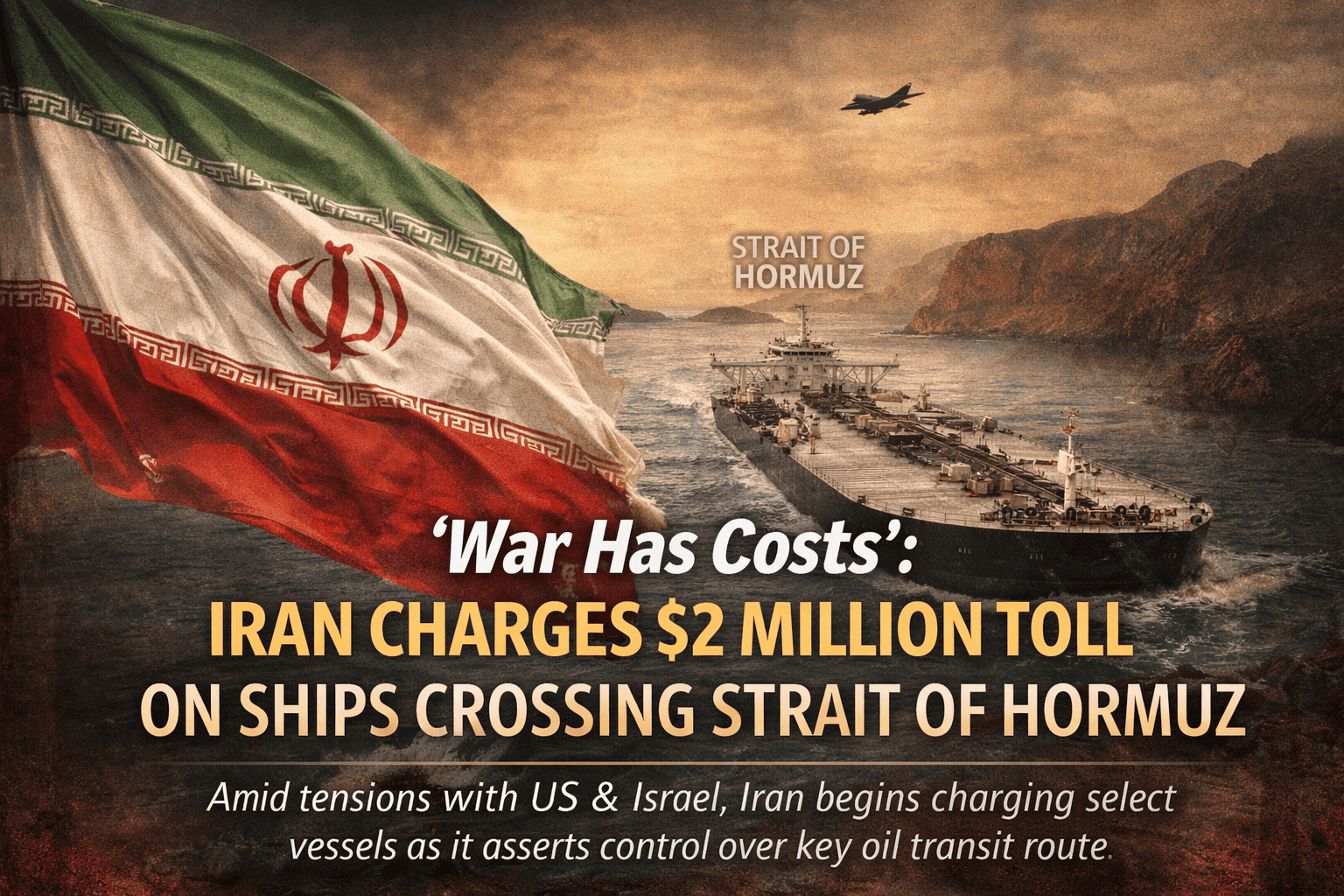
The operation sent shockwaves through global markets. Oil prices surged amid fears of supply disruptions near the Strait of Hormuz. Stock markets across Asia, Europe and the US reflected investor uncertainty over potential escalation.
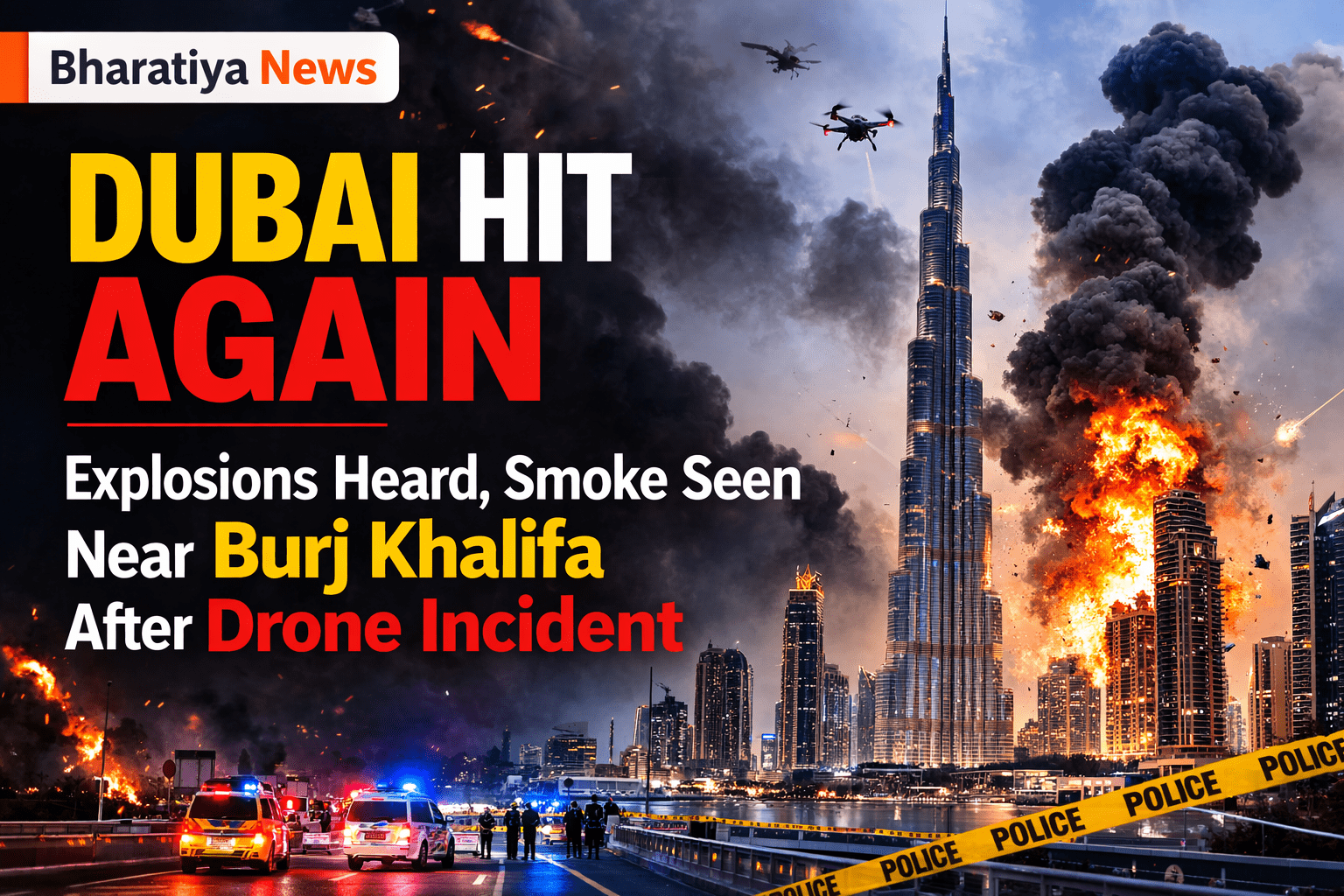
Regional governments adopted defensive postures. The United Arab Emirates reported intercepting missiles and drones, while Qatar confirmed air defence actions. Tensions across the Middle East intensified as neighbouring countries prepared for possible retaliation.
Trump’s Position On Escalation
President Trump later stated that the operation could last several weeks but insisted it was not intended as a prolonged “nation-building” campaign.
“This is not Iraq. This is not endless,” Defence Secretary Pete Hegseth said during a Pentagon briefing, emphasising that the US was not pursuing regime change as an official policy objective.
However, Trump did not rule out deploying US ground forces if deemed necessary, stating in a later interview that he would not categorically exclude “boots on the ground.”
Diplomatic Uncertainty Ahead
Even as military operations continue, a senior White House official indicated that potential new Iranian leadership figures may be open to renewed dialogue with Washington.
The coming weeks are expected to determine whether the conflict stabilises or escalates further, as global powers assess the implications of one of the most consequential US military actions in recent years.
(This report is based on information from syndicated international sources.)